





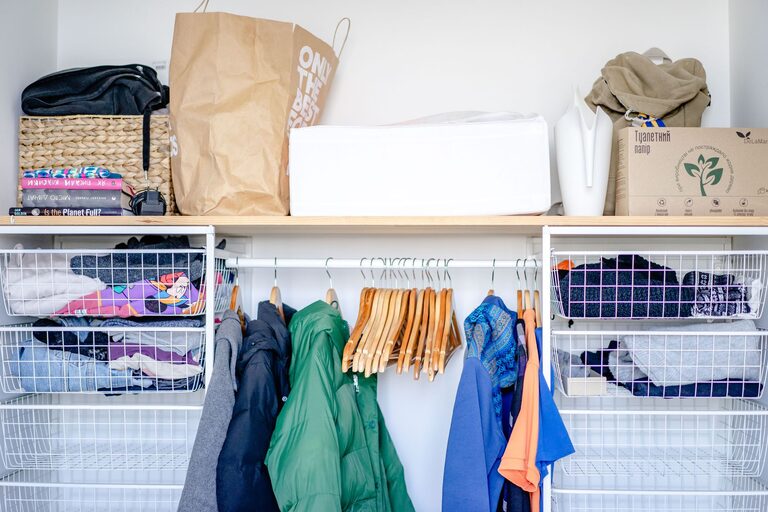
Storing seasonal clothes efficiently is essential for keeping your home organized and ensuring your wardrobe stays in good condition. Whether it’s the heavy winter coats or the light summer dresses, putting away clothes properly during the off-season can save space, protect your garments, and make it easier to access what you need when the seasons change. In this post, we’ll explore practical tips for organizing, storing, and caring for your seasonal clothing.
Why Efficient Seasonal Storage Matters
When clothes are stored without care, they can develop wrinkles, accumulate dust, or even get damaged by moisture, pests, or sunlight. Efficient storage not only preserves the quality of your clothes but also frees up valuable closet space for the current season’s items. This makes your everyday dressing routine smoother and helps you maintain a tidy living space.
Preparing Clothes for Storage
Before you pack away seasonal clothes, it’s important to prepare them properly:
1. Clean Everything Thoroughly
Washing or dry cleaning clothes before storage removes dirt, sweat, and oils that can attract pests and cause stains over time. Make sure all items are fully dry to prevent mold and mildew.
2. Repair and Mend
Check for missing buttons, broken zippers, or minor tears. Fixing these issues before storage saves you time in the future and keeps clothes ready to wear.
3. Sort and Declutter
Use this opportunity to assess what you actually wear. Donate or recycle clothes you no longer need. This reduces clutter and lightens your load.
Choosing the Right Storage Containers
How you store your clothes affects their longevity and accessibility:
1. Use Breathable Containers
Fabric bins, cotton storage bags, or canvas boxes allow air circulation, which helps prevent moisture buildup. Avoid airtight plastic bags, especially for natural fibers, which need to breathe.
2. Clear Plastic Bins for Visibility
If you prefer plastic bins, opt for clear ones so you can easily see what’s inside without opening them. Just ensure your clothes are clean and fully dry before using plastic containers.
3. Vacuum-Sealed Bags
For bulky items like winter coats or blankets, vacuum-sealed bags save space by compressing the items. However, avoid storing delicate fabrics like wool or silk in these bags for extended periods.
Storing Clothes by Type and Season
Organizing by category helps streamline the process:
– Winter Clothes: Heavy sweaters, coats, scarves, and boots
– Summer Clothes: Shorts, tanks, swimsuits, and sandals
– Transitional Items: Light jackets, cardigans, and long-sleeve shirts
Label your storage containers clearly. You can also group items in storage by frequency of use or activity, such as workwear versus casual wear.
Tips for Closet and Storage Space Optimization
Maximize your storage area with these ideas:
1. Use Vacuum Bags for Bulky Garments
They reduce volume but remember the fabric considerations mentioned above.
2. Add Shelf Dividers or Bins
These keep stacks neat and prevent clothes from toppling over.
3. Utilize Under-Bed Storage
Flat containers fit under beds and are perfect for shoes or out-of-season clothes.
4. Store Shoes in Clear Boxes
This protects them from dust and makes it easy to find pairs.
5. Consider Hanging Delicate Items
Lightweight dresses or blouses go well in breathable garment bags hung in a less-used closet.
Protecting Clothes from Pests and Damage
Clothing pests like moths can cause serious damage. To prevent this:
– Use natural repellents such as cedar blocks, lavender sachets, or rosemary pouches inside storage containers.
– Avoid mothballs due to their strong chemical smell and toxicity.
– Ensure storage areas are clean, dry, and well-ventilated.
– Check stored clothes periodically for signs of pests or dampness.
Maintaining Your Stored Clothes
When it’s time to retrieve your seasonal clothes:
– Take items out a few days before wearing them to air them out.
– Inspect for any damage or odors and freshen up as needed.
– Refold and repack any items you won’t use right away.
Final Thoughts
Storing seasonal clothes efficiently doesn’t have to be complicated. With a little preparation and the right storage solutions, you can keep your wardrobe in great shape and free up space in your home. Remember to clean, organize, and label everything clearly—this will make seasonal transitions easier and help you enjoy your clothes for years to come.
Happy organizing!




More Stories
Simple Ways to Organize Your Entryway for a Clutter-Free Home
How to Make Your Kitchen Counters Clutter-Free and Functional
Effective Tips for Organizing Files on Your Computer